Back
World Rhino Day 2025: Exploring the Best Rhino Conservation Reserves Worldwide post thumbnail image

World Rhino Day 2025: Exploring the Best Rhino Conservation Reserves Worldwide

Every year, World Rhino Day shines a light on one of Earth’s most remarkable yet vulnerable animals – the rhinoceros. With just about 27,000 rhinos left in the wild, this day serves as a reminder of how urgent it is to save rhinos from threats like poaching and habitat loss. On World Rhino Day 2025, we highlight five leading wildlife reserves worldwide that are keeping rhino conservation alive and thriving.

1. Kaziranga National Park, India

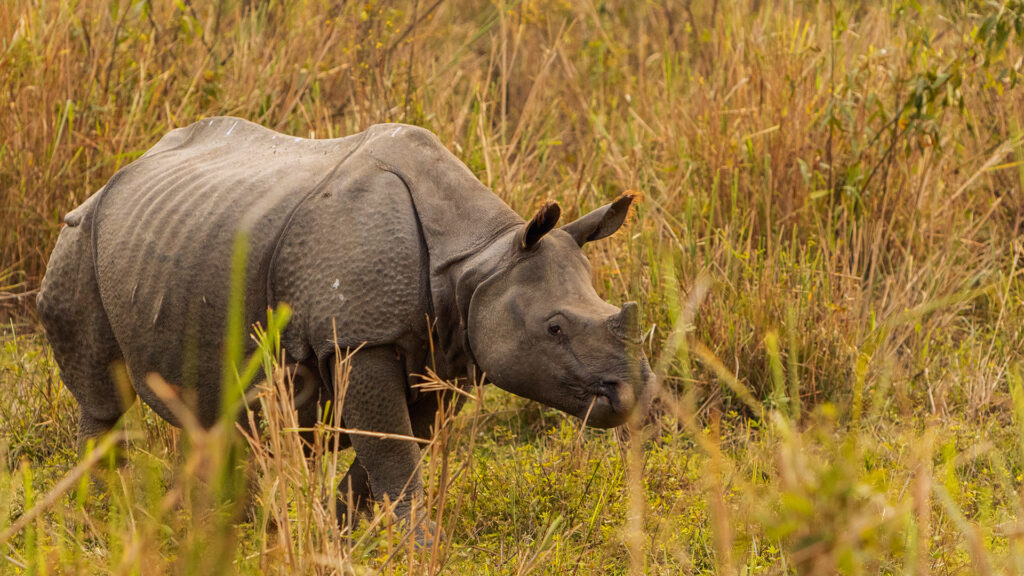
Really big endangered Indian rhinoceros male in the nature habitat of Kaziranga national park in India.

Kaziranga National Park is a UNESCO World Heritage Site and home to the largest population of the greater one-horned rhinoceros. Once near extinction, the species here has rebounded thanks to relentless protection and community engagement.

  • Around 2,400 greater one-horned rhinos currently live in the park.
  • Anti-poaching squads and surveillance ensure strict protection.
  • Community programs provide locals with incentives to support conservation.
  • Successful habitat restoration keeps the grasslands healthy for rhinos.

2. Hluhluwe–iMfolozi Park, South Africa

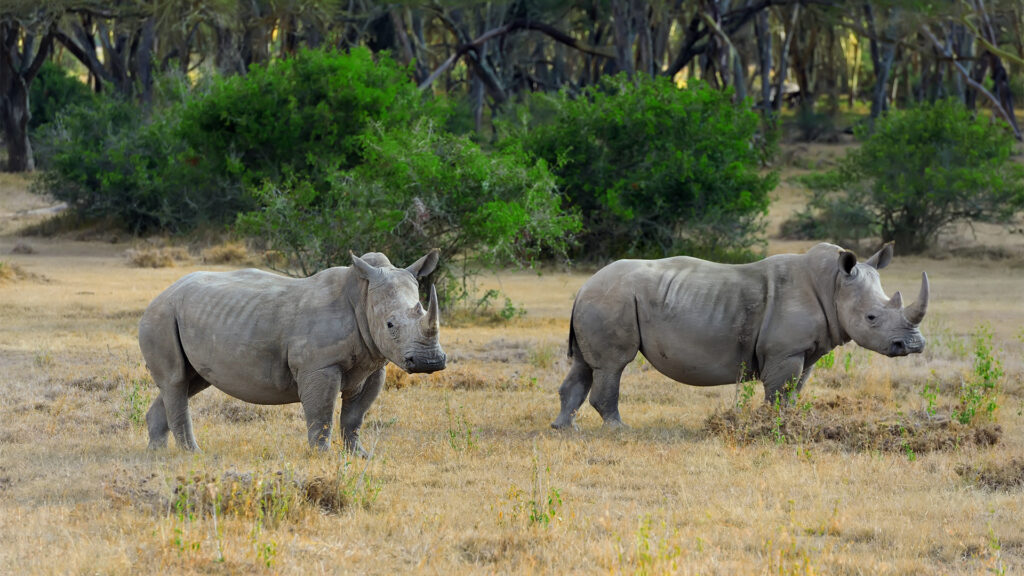
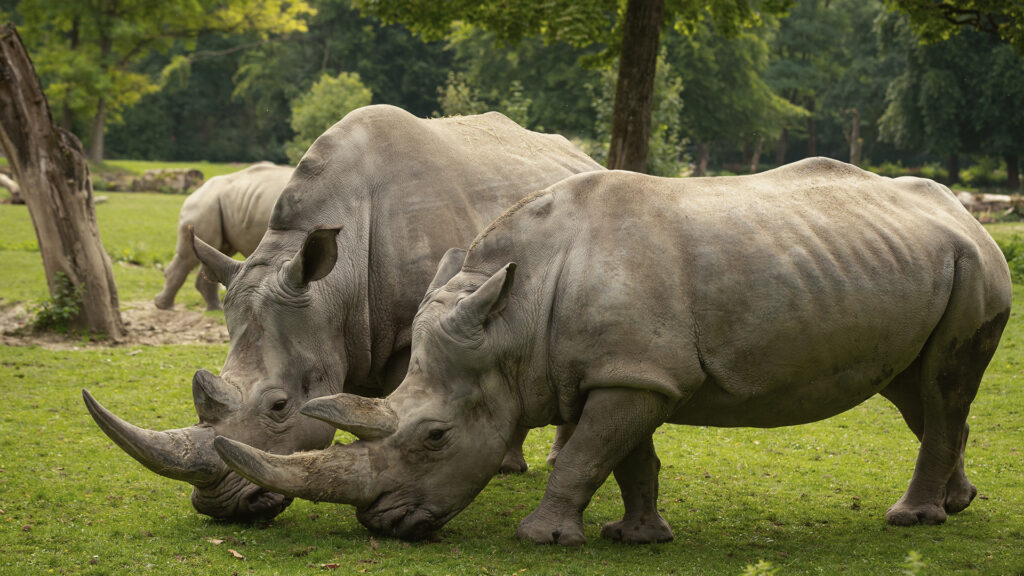
Two African white rhinos standing together in the wild, one with a horn more prominent than the other.

Famed as the cradle of rhino conservation, Hluhluwe–iMfolozi Park was the site of “Operation Rhino,” which brought white rhinos back from the brink of extinction. Today, it remains a cornerstone in Africa’s rhino preservation story.

  • Hosts significant populations of both black and white rhinos.
  • Intensive monitoring and 24/7 anti-poaching units are deployed.
  • Relocation programs help establish rhino populations in other reserves.
  • Known for pioneering strategies that saved the white rhino species.

3. Chitwan National Park, Nepal

A rhino in the wild, partially obscured by tall grass, enjoying a meal.

Chitwan is a conservation success story in Asia, where the greater one-horned rhino has staged a strong comeback. Thanks to extraordinary local and military collaboration, the park has achieved multiple “zero-poaching” years.

  • Over 750 rhinos now thrive in Chitwan.
  • The Nepalese Army assists in patrolling to deter poachers.
  • Community-led eco-tourism ensures locals benefit from conservation.
  • Recognized globally for achieving long stretches of zero poaching.

4. Ol Pejeta Conservancy, Kenya

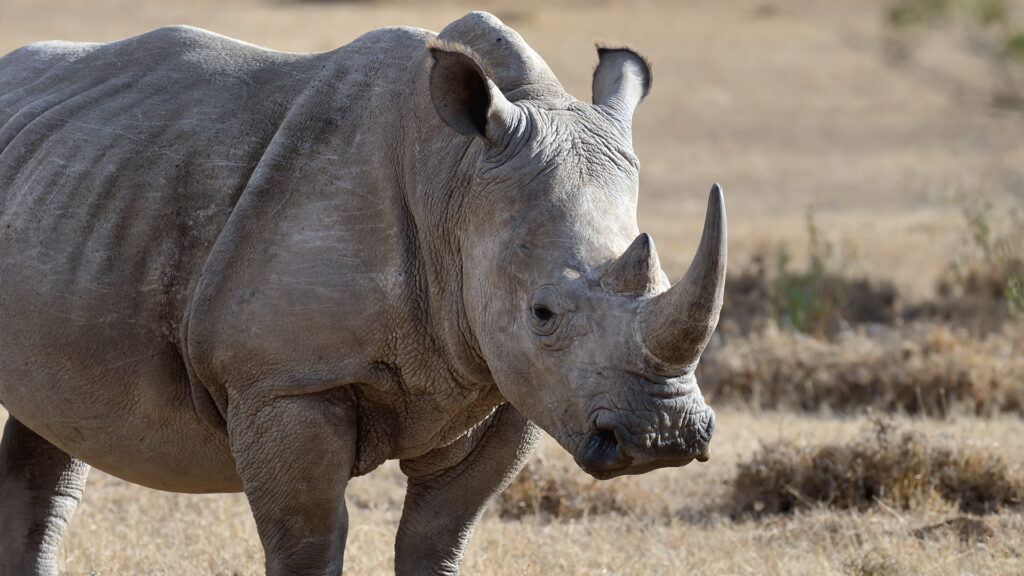
A close-up of a rhino's face, showing wrinkles and a pronounced horn.

Ol Pejeta is one of Africa’s most innovative conservation landscapes, housing the last two northern white rhinos on Earth. It also supports large populations of black and southern white rhinos while pushing boundaries in wildlife protection.

  • Protects the world’s last two northern white rhinos.
  • Over 160 critically endangered black rhinos live here.
  • Advanced security measures include canine units and armed patrols.
  • Cutting-edge IVF research aims to prevent the extinction of white rhino.

5. Ujung Kulon National Park, Indonesia

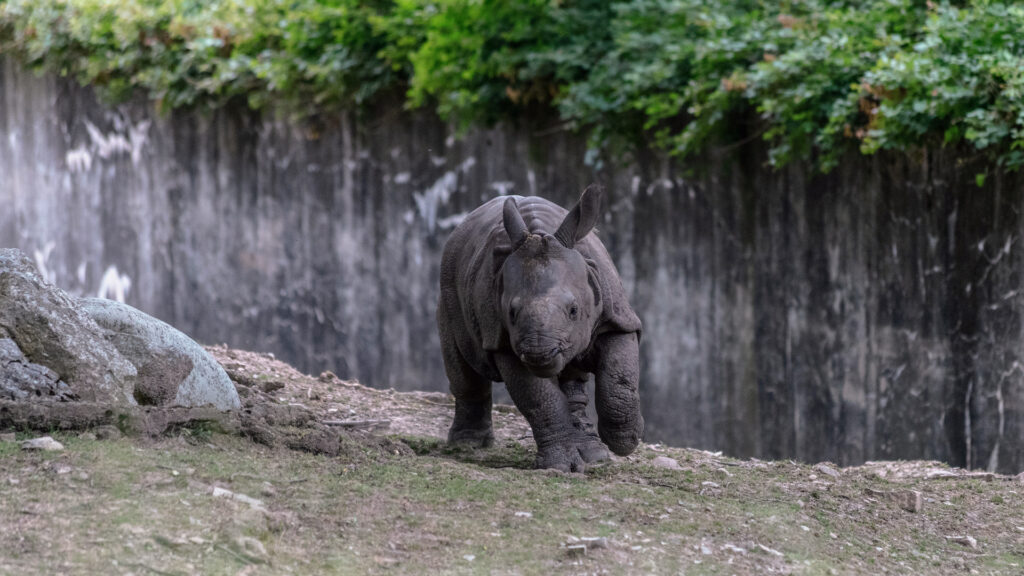
Baby white rhinoceros running through a zoo surrounded by wooden fences and greenery

Ujung Kulon is the last stronghold of the elusive Javan rhino. With fewer than 80 left in the wild, the park plays a critical role in keeping this species alive and preventing it from vanishing entirely.

  • Estimated 70–80 Javan rhinos survive only here.
  • Protected as a UNESCO World Heritage Site since 1991.
  • Constant monitoring helps track the health and movement of rhinos.
  • Habitat management ensures rhinos have undisturbed forest cover.

Why World Rhino Day Matters?

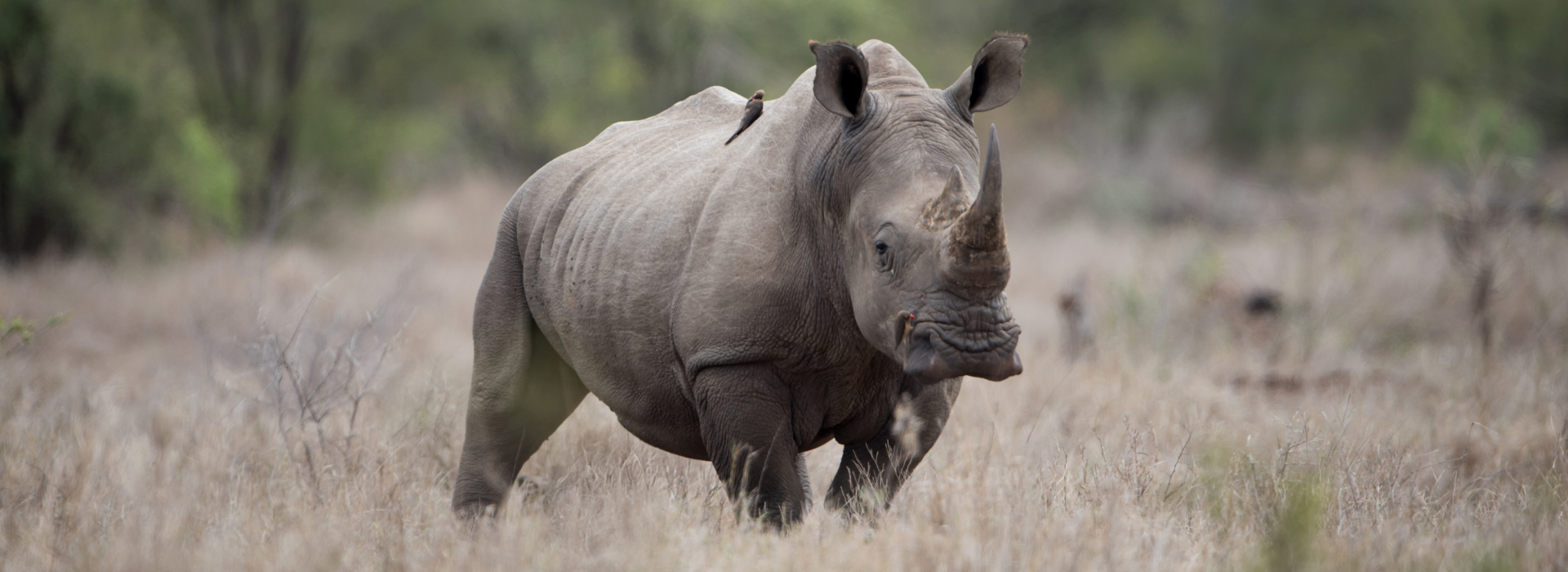
White rhinoceros in the beautiful nature looking habitat wild animals in captivity prehistoric and endangered species in zoo

World Rhino Day 2025 isn’t just symbolic; it’s a global call to action. These reserves show how determined efforts can turn the tide for endangered species. The importance of saving rhinos lies not only in protecting biodiversity but also in preserving ecosystems and cultural heritage that depend on them.

As we mark this year’s World Rhinoceros Day, let’s celebrate the achievements of these five reserves and commit ourselves to doing more. The mission to save rhinos is ongoing, and with collective action, we can ensure they continue to thrive in the wild.

Disclaimers: Numbers are approximate and based on publicly available conservation reports as of 2025.

All organizational names and trademarks are the property of their respective owners. This article is for informational purposes only and is not affiliated with or endorsed by them.

All images are sourced from Freepik or Envato under appropriate licensing terms. We do not own any images.

Author

  • Akshay is a versatile content writer and enthusiastic traveller with a knack for storytelling that spans across travel, sports and tech. When he's not blogging about travel hacks or hidden gems, he's diving into match stats or exploring new food joints. A true multitasker at heart, Akshay blends his love for the road, the game, and gadgets into content that's both informative and full of personality.

    View all posts

Sign Up for Travel Inspiration

Recent Blogs

Leave a Comment

Your email address will not be published. Required fields are marked *